The system
Everything on the shelf runs on the same thing underneath; one system I built for myself first, and live inside every day. It plans my week, triages my email, remembers every decision, and works alongside me on everything else here. The six products aren’t separate projects; they’re what falls out of running it.
The backbone
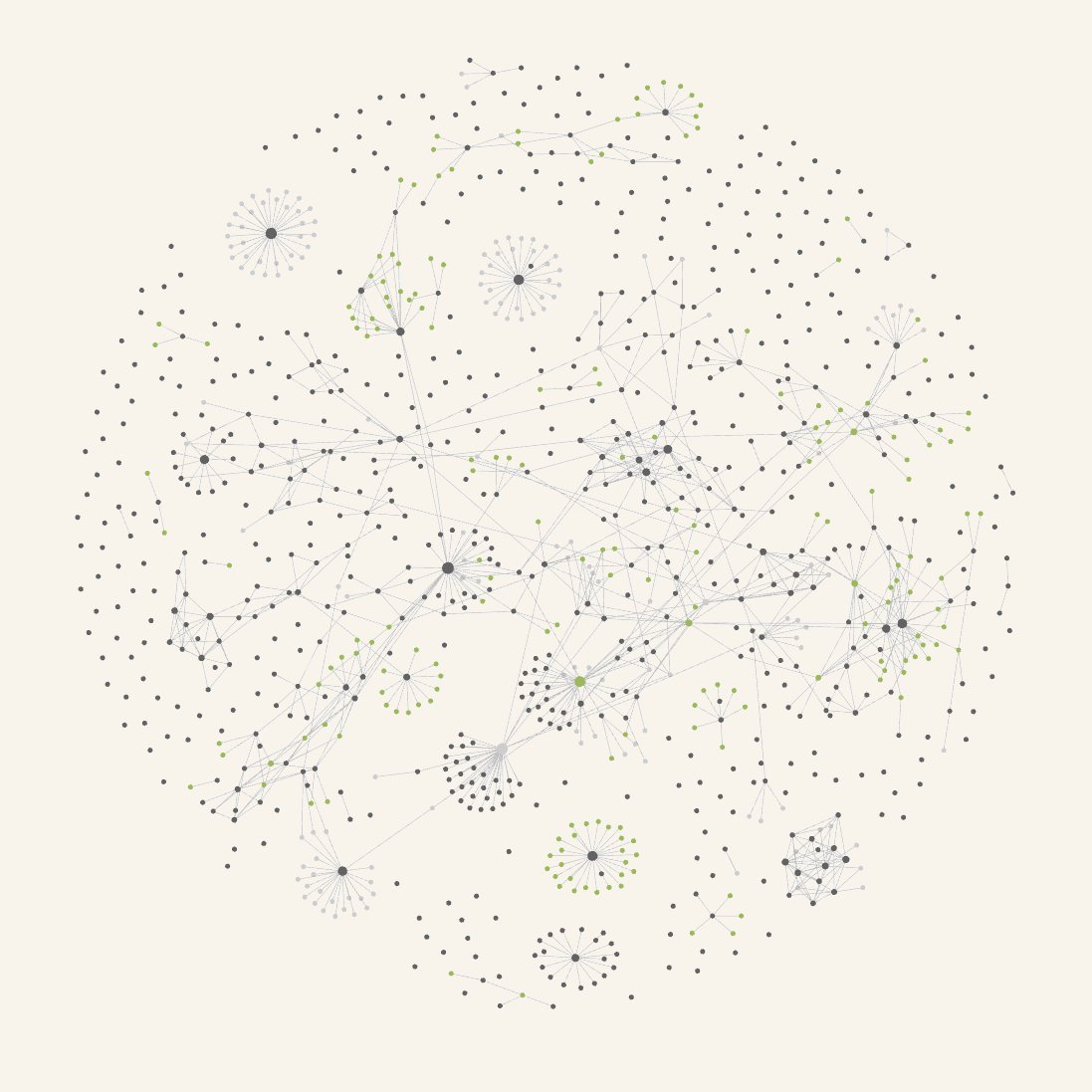
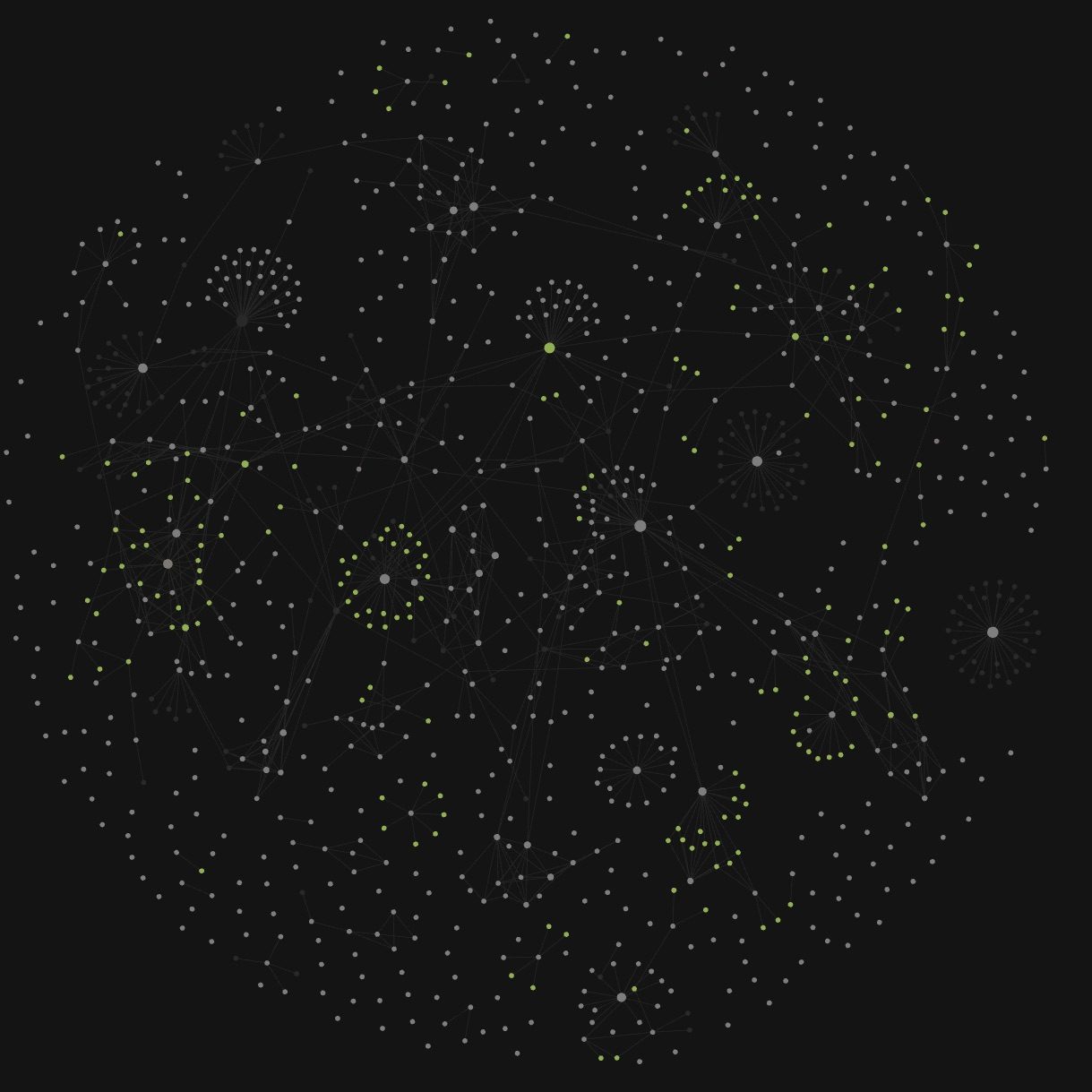
Two pieces hold everything up. An Obsidian vault is the canonical record; specs, plans, decisions, the lot. If it matters, it’s written down there. Clawtex sits on top as the live memory; state, events and lessons that persist across sessions, so nothing about the studio ever resets. Everything else on this page is built on those two.
The agents
Two named AI collaborators work on that substrate. Alex handles strategy, planning and commercial judgement. Charlie is the engineer, and deliberately not a black box; he builds, but never off on his own without my input, and he teaches as he goes. He walks me through what he’s writing and why, which approaches hold and which don’t, and he sets me coding tasks to do on my own with no help, so the understanding ends up mine. I build alongside him, not from a distance, and I don’t blind-trust output I can’t judge; trusting one hundred percent of what any model writes is how people get burned. I’d rather keep learning the code than depend on it. That’s the point.
I reach both through Claude Code, running inside Merlin, the command deck on this shelf, or through our Discord server; Slack, before that. No custom dashboard; the interfaces are ordinary on purpose, because the sophistication lives behind them.
Planned, not vibes
Building starts before the terminal opens; every week gets a written plan, and every non-trivial decision gets a written record with the reasoning attached, so future me and both agents can see why, not just what. When something ships fast here, it’s because the thinking happened first.
Where AI stops
The same system has streamlined some of my client builds too, but there’s a line I hold; I never lean on AI for a client design project. Creative direction for a brand, the taste, the touch, the point of view; that’s still human work, and I don’t think AI replaces it yet. The agents make me faster everywhere else, but the design chair stays mine.
Memory that persists
A chat that forgets everything when the session ends can’t run anything, so the agents share a structured memory; what’s true right now, what happened and when, and a lesson from every correction I’ve ever made. A mistake fixed once stays fixed, and both agents know it.
How work gets built
Work moves as briefs; a written task with explicit done-criteria. A worker session builds against the brief, autonomous within it and never beyond it, and I review the result against those criteria before anything merges. That pattern eventually became a product of its own; Merlin is the deck I built to run it, which is how things tend to go here. The way I operate becomes a tool, and the tool sharpens the way I operate.
Nothing runs unattended
The standing rule of the whole system; agents capture and propose constantly, but nothing real executes without me. Every deploy, every message sent as the studio, every irreversible action has a human decision in front of it. Most writing about AI agents skips this part; it’s the part I’d keep last.
The loop
The products on the shelf aren’t separate from the system; they’re extracted from it. An inbox I couldn’t manage became Mailroom; the brief-and-review pattern became Merlin; the memory layer became Clawtex, which now runs as its own platform. Build the tool for myself, use it every day, feed what I learn back into how everything runs; that loop is the real product of Evans Studio.